Not Just for Plastic Free July: A Business Imperative for a Sustainable Future
As we observe Plastic Free July, it’s essential to recognise the pivotal role businesses play in reducing plastic waste and fostering a more sustainable future.
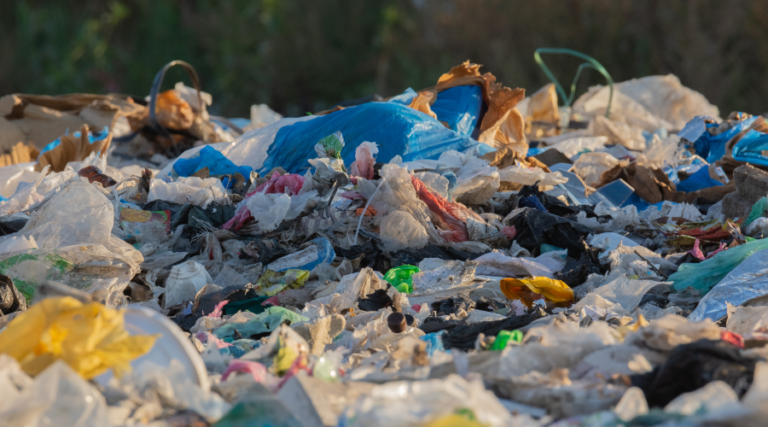
Plastic Free July® is a global movement that helps millions of people be part of the solution to plastic pollution – so we can have cleaner streets, oceans, and beautiful communities.
Will you be part of Plastic Free July by choosing to refuse single-use plastics?
This global movement, which started in 2011, has grown exponentially, with millions of participants from over 170 countries. The campaign not only raises awareness about the detrimental effects of plastic pollution but also encourages actionable change at individual and organisational levels.
Plastic pollution has reached alarming levels, with an estimated 8 million tons of plastic waste entering our oceans annually. According to a report by the Ellen MacArthur Foundation, by 2050, there could be more plastic in the ocean than fish by weight. This statistic underscores the urgency of addressing plastic use and waste in our daily operations.
“Plastic pollution is a defining challenge of our time. Business leaders have a unique opportunity to drive innovation and lead us towards a plastic-free future.” Inger Andersen, United Nations Environment Programme (UNEP)
But what can you do about it as a business owner?
Positive Changes Businesses Can Implement
- Adopt Sustainable Packaging Solutions: Transitioning from single-use plastics to biodegradable or reusable packaging can significantly reduce plastic waste. Committing to making any plastic packaging reusable, recyclable, or compostable, setting a powerful example for others to follow.
- Encourage a Circular Economy: Embracing the principles of a circular economy, where products and materials are reused and recycled, can dramatically cut down plastic waste. The Circulars, an initiative by the World Economic Forum, highlights businesses that have successfully implemented circular models, demonstrating both environmental and economic benefits.
- Promote Refillable and Reusable Products: Offering products in refillable containers can reduce reliance on single-use plastics. Brands like Loop have pioneered this approach, providing a platform where consumers can purchase everyday items in durable, reusable packaging.
- Implement Plastic-Free Workplaces: Encouraging employees to minimise plastic use in their workplace can have a ripple effect. Providing alternatives such as glass water bottles, metal utensils, and reusable bags can foster a culture of sustainability within your organisation.
- Educate and Empower: Providing training and resources about the impacts of plastic pollution and sustainable alternatives can empower employees to make informed choices. Businesses can host workshops, share informative content, and lead by example to instil lasting change.
The Business Case for Sustainability
Investing in sustainable practices is not just an ethical decision but a strategic one. A 2020 report by McKinsey & Company found that companies with robust ESG (Environmental, Social, and Governance) practices tend to outperform their peers financially in the long run. Moreover, consumers are increasingly favouring brands that demonstrate a commitment to sustainability. A Nielsen survey revealed that 81% of global respondents feel strongly that companies should help improve the environment.
The Pew Charitable Trusts and SYSTEMIQ report, “Breaking the Plastic Wave,” highlights that reducing plastic waste by 80% by 2040 is achievable with existing technologies and solutions. This ambitious goal requires collective action from businesses, governments, and individuals.
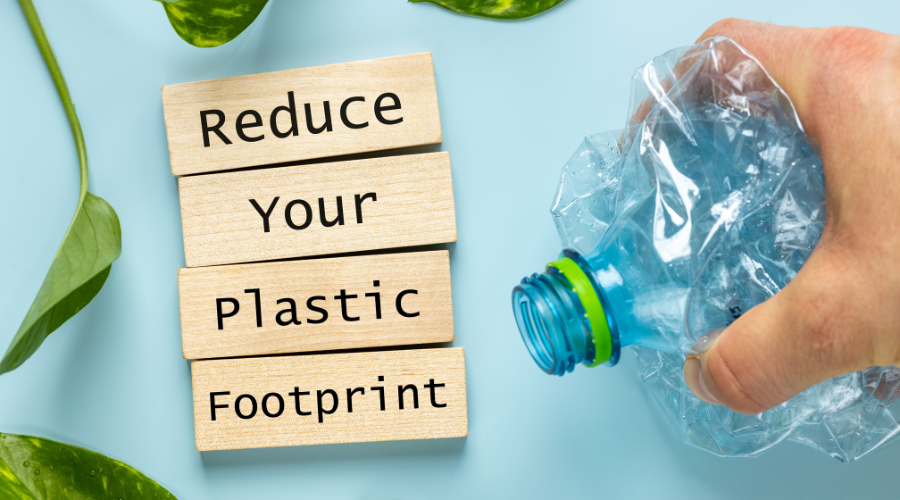
Plastic Free July is more than a campaign; it’s a call to action.
As business leaders, we have a responsibility to mitigate our environmental impact and pave the way for a sustainable future. By adopting innovative solutions and fostering a culture of sustainability, we can turn the tide on plastic pollution. Let’s use this month to commit to tangible changes and inspire others in our network to do the same.
Together, we can make a significant difference. Let’s embrace the challenge and lead by example.
Will you be part of Plastic Free July by choosing to refuse single-use plastics?